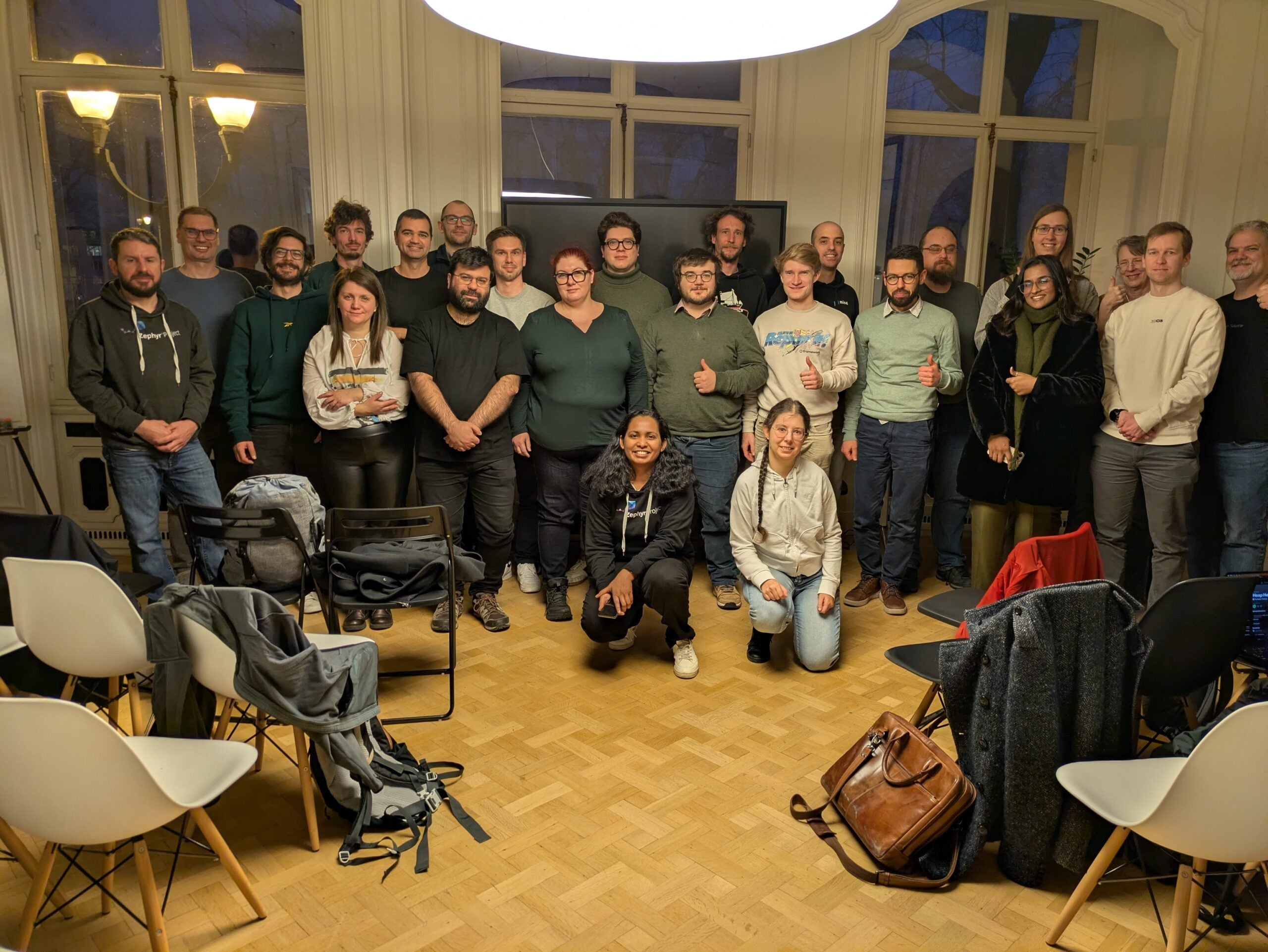
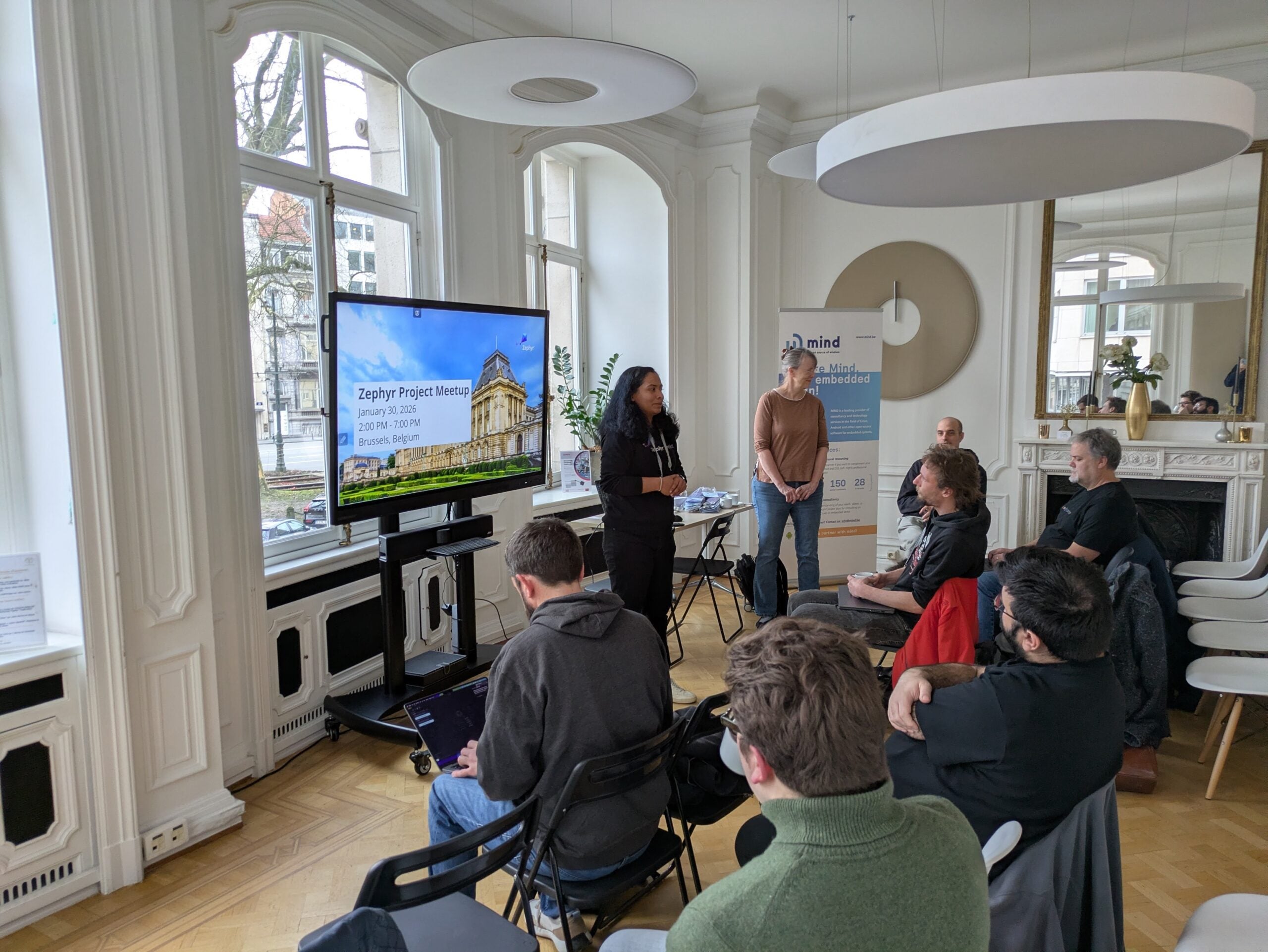
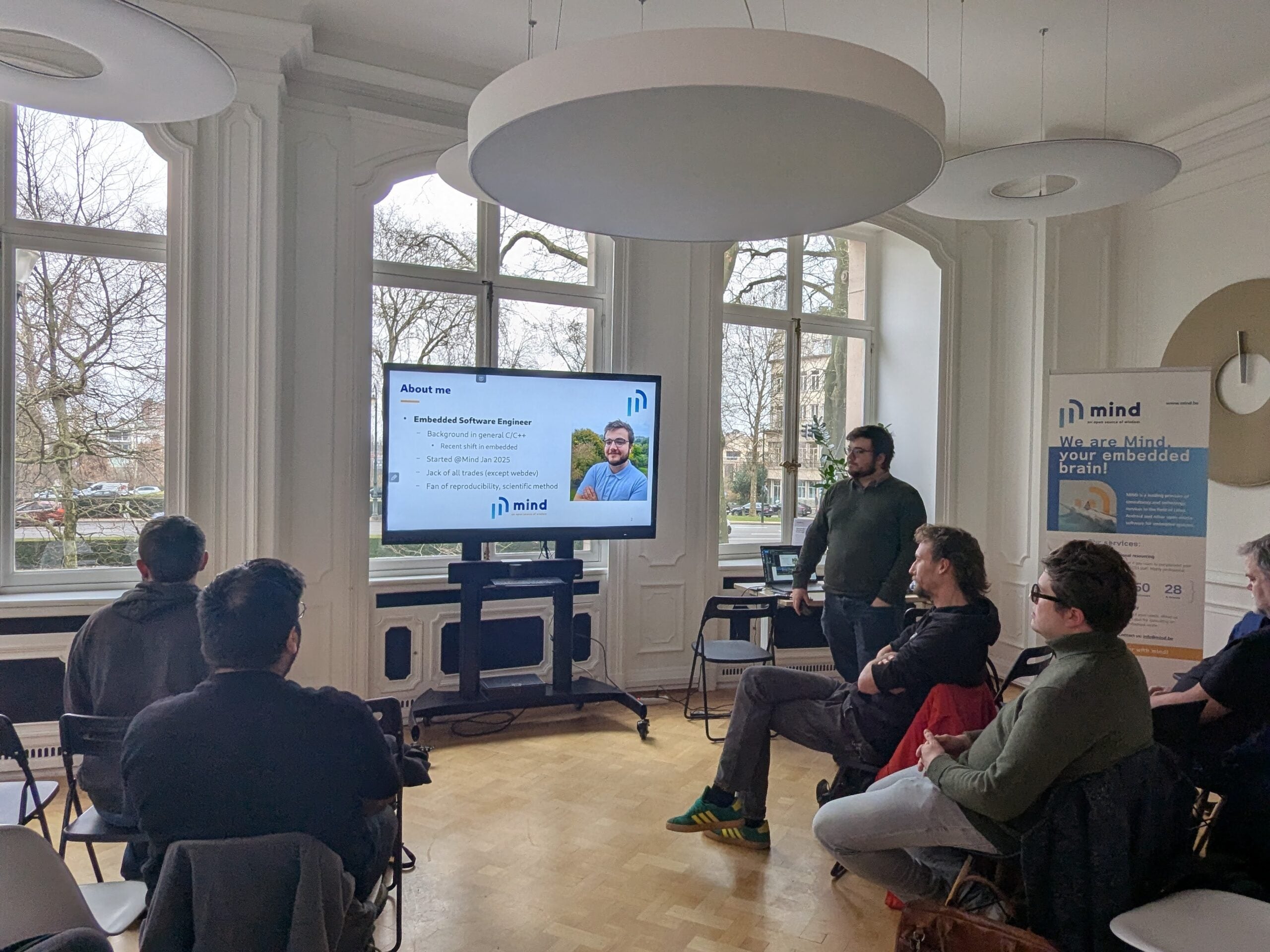
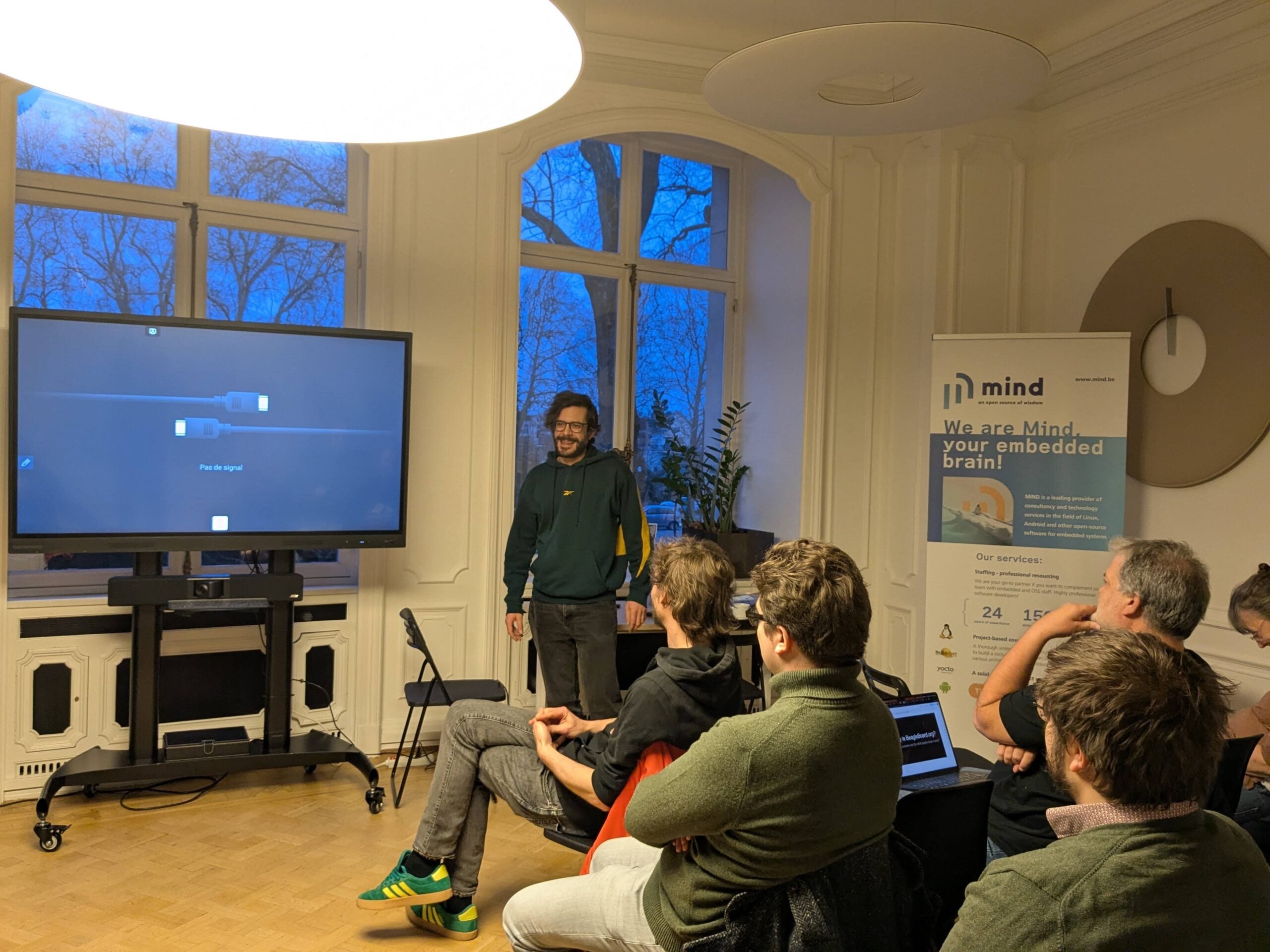
On January 30, 2026, the Zephyr Project community gathered in Brussels for an insightful in-person meetup, held just ahead of FOSDEM 2026 and during EU Open Source Week. The event brought together contributors, users, and newcomers alike for an afternoon of technical sessions, demos, and meaningful community exchange.
Thanks to the meetup sponsor
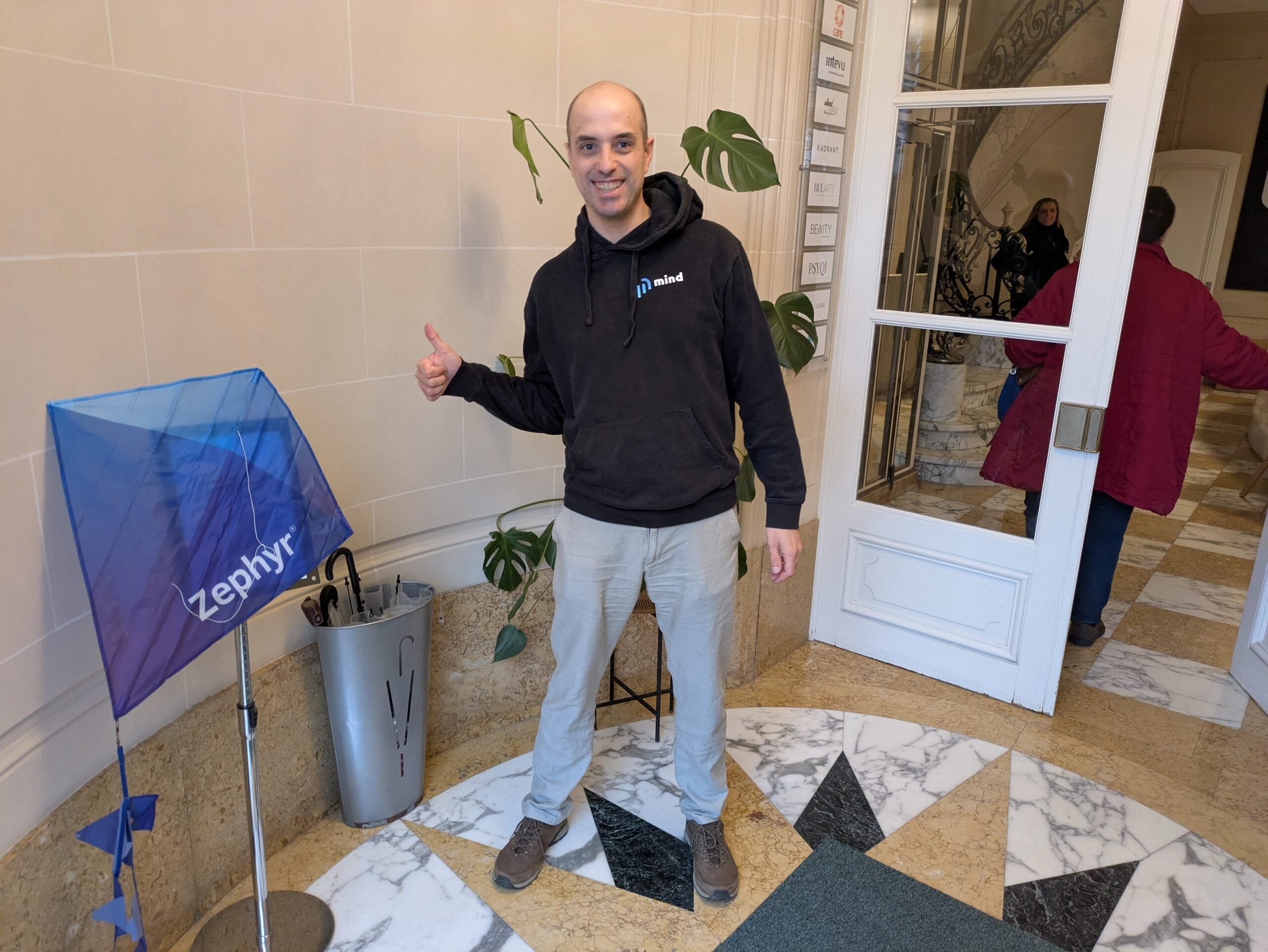
A big thank-you goes to Mind, whose sponsorship helped make the meetup possible.
Session Highlights
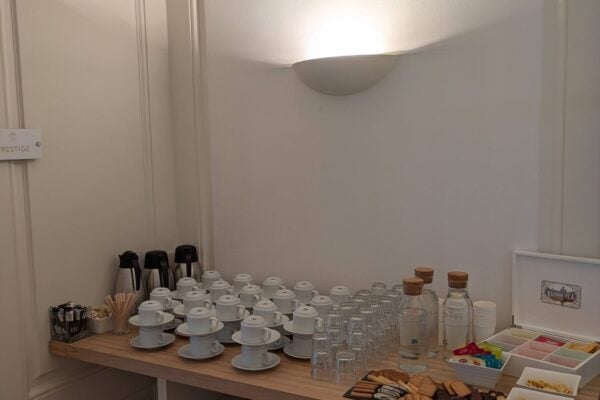
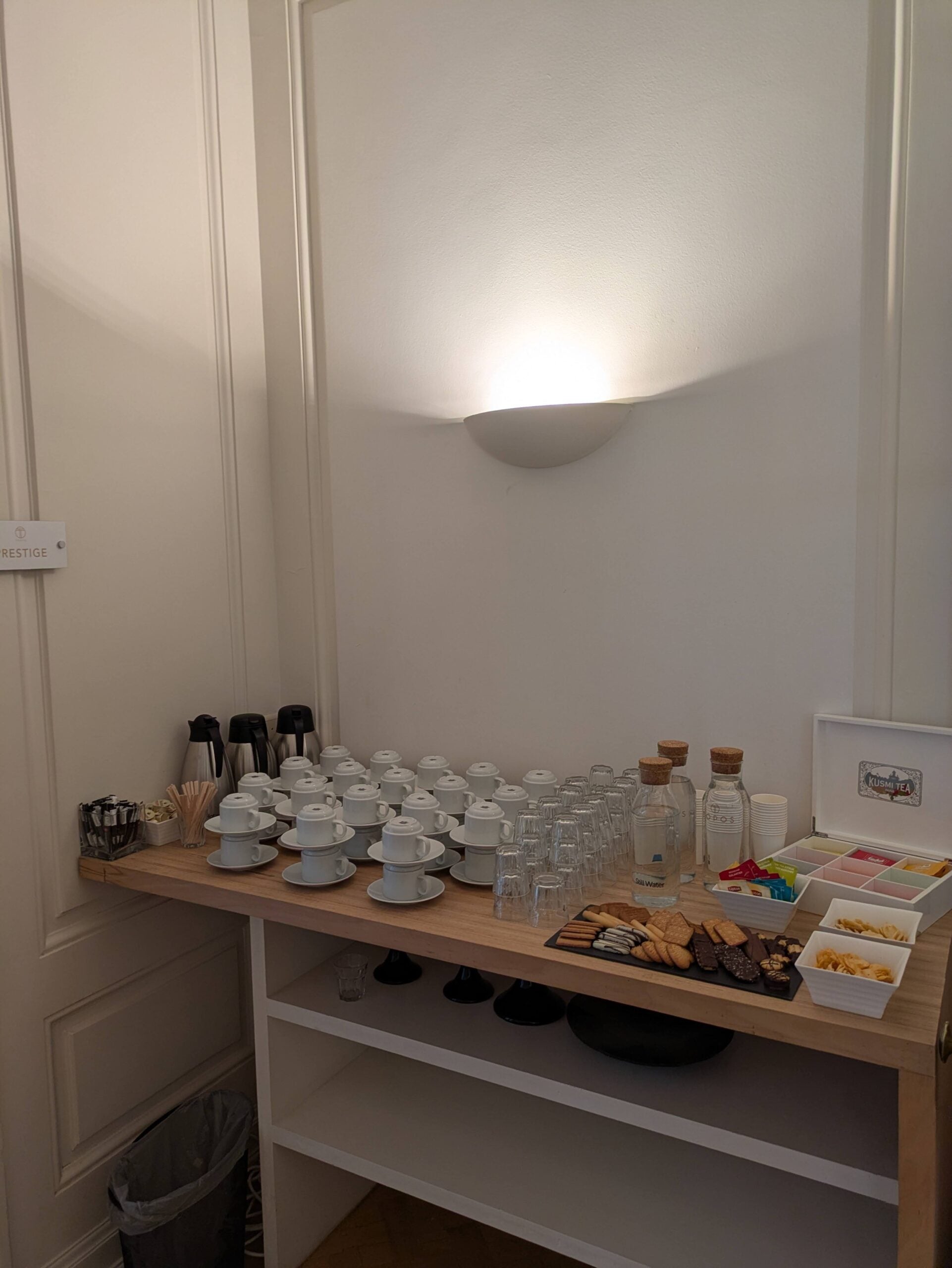
The event kicked off with welcome drinks and snacks.
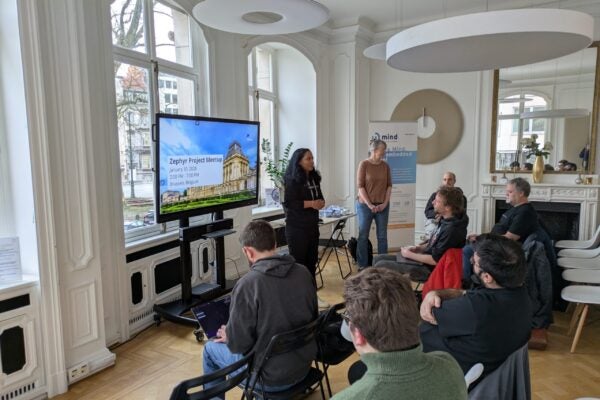
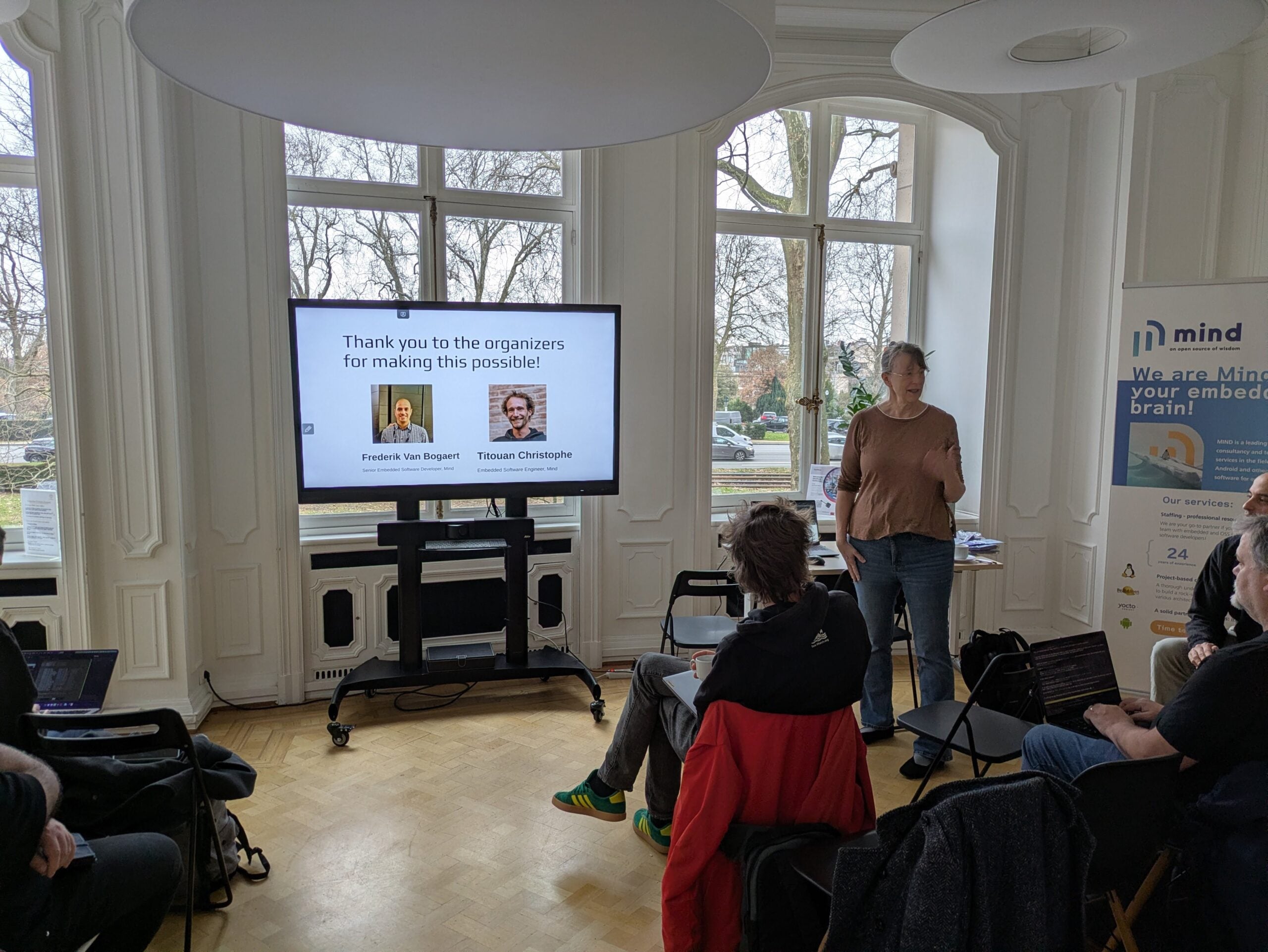
Welcome note & State of the Zephyr project – Kate Stewart, Linux Foundation
Kate Stewart (Linux Foundation opened the meetup with a State of the Zephyr Project update, sharing insights into recent progress, community growth, and what lies ahead for Zephyr in 2026.
As Zephyr approaches its 10-year milestone, she highlights the project’s rapid community growth, expanding hardware support, and increasing adoption in real-world products. The session also covers recent advances in developer tooling, security, long-term support, and progress toward functional safety certification, outlining where Zephyr stands today and where it is headed next. Slides here.
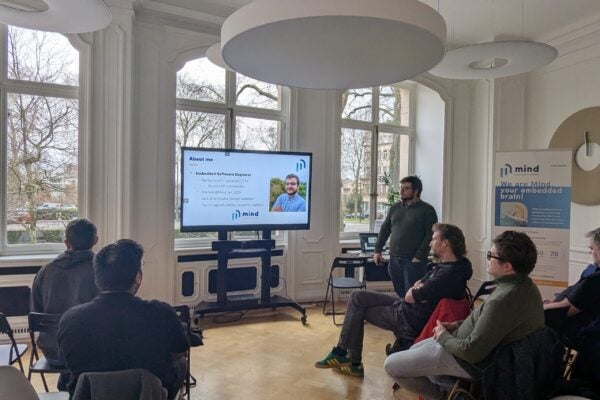
Turning the Microbit V2 into a BTLE microphone using Zephyr,Colin Evrard and Javad Rahimi, Mind Software Consultancy
The BBC micro:bit is widely used for teaching embedded computing across all education levels, making it an excellent platform to demonstrate the capabilities of Zephyr. In this talk, Colin Evrard, shares his experience turning a BBC micro:bit into a Bluetooth audio microphone using Zephyr. The session walks through audio sampling from an onboard MEMS microphone, real-time processing, and streaming over Bluetooth LE, highlighting both the simplicity of Zephyr’s APIs and the practical challenges of embedded audio and Bluetooth audio profiles. The talk illustrates how just a few lines of C code can transform an educational device into a functional wireless audio system while offering insights into Zephyr’s modular design and developer experience. Slides here.
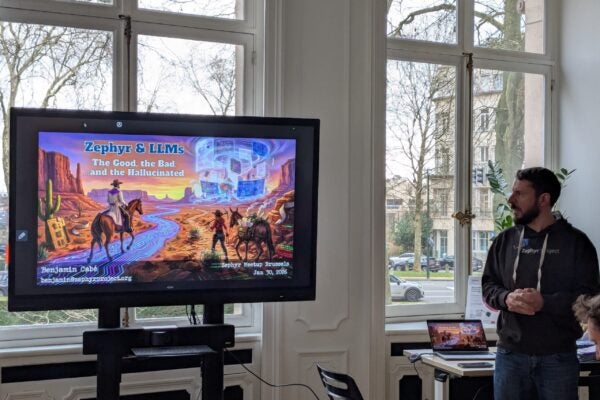
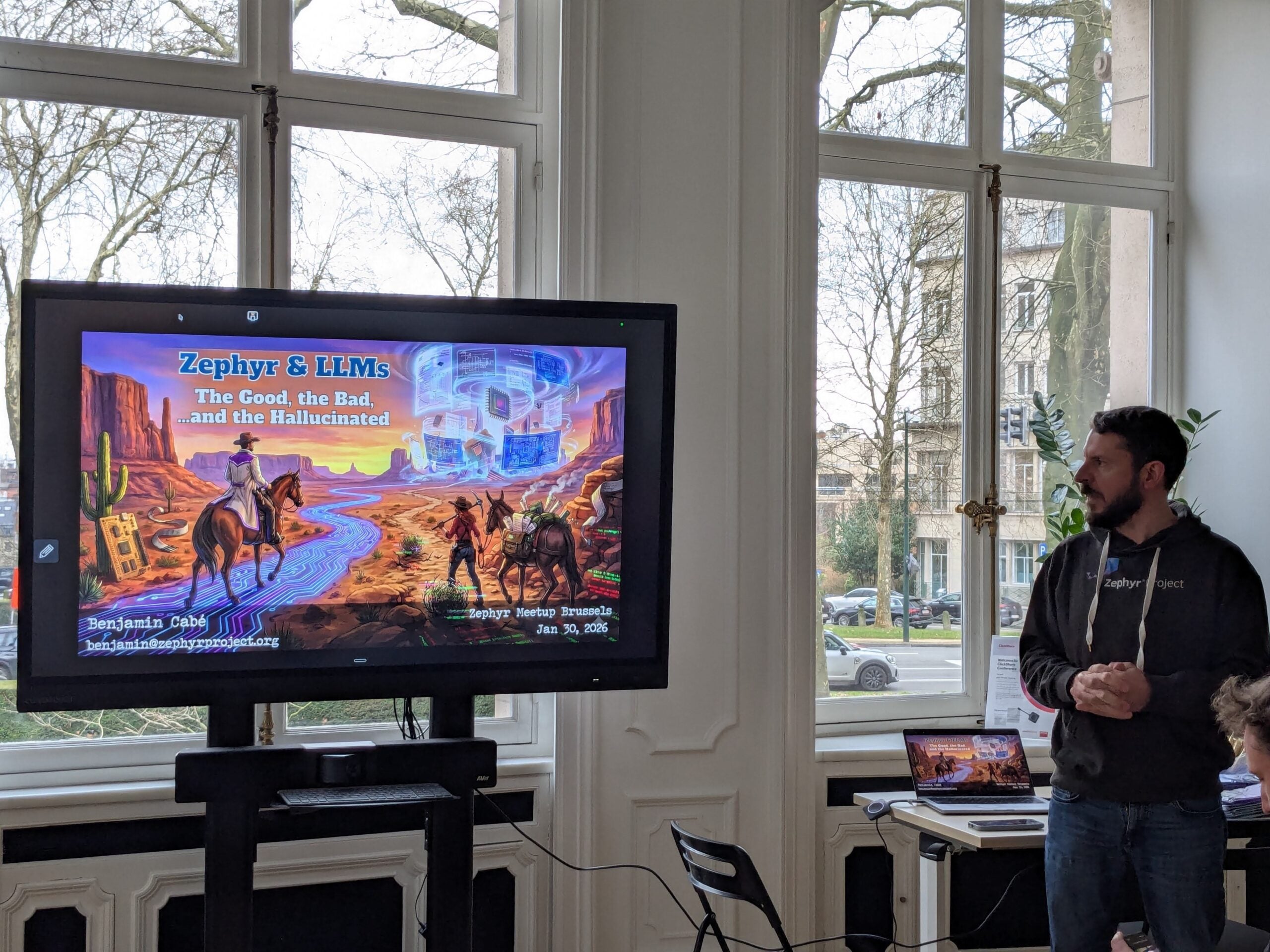
Zephyr & LLMs: The Good, The Bad, and the Hallucinated, Benjamin Cabe, Zephyr project
In this talk, Benjamin Cabe (Zephyr Project Developer Advocate) explores how large language models (LLMs) and AI coding agents fit into the day-to-day reality of building and maintaining Zephyr. Drawing from hands-on experience with code review, driver development, testing, and documentation, he shows where LLMs can genuinely boost productivity spotting subtle bugs in patches, accelerating boilerplate-heavy work like drivers and board definitions, and helping close test-coverage gaps. He also examines the pitfalls: hallucinated or inconsistent advice, psychological over-trust in fast-generated output, workflow and maintainability concerns, and open questions around copyright and environmental impact. The session concludes with practical guidance for using AI tools critically and effectively in a large open-source project without compromising quality. Slides here.
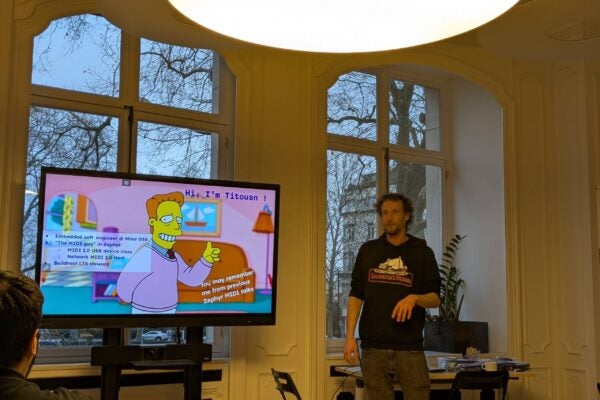
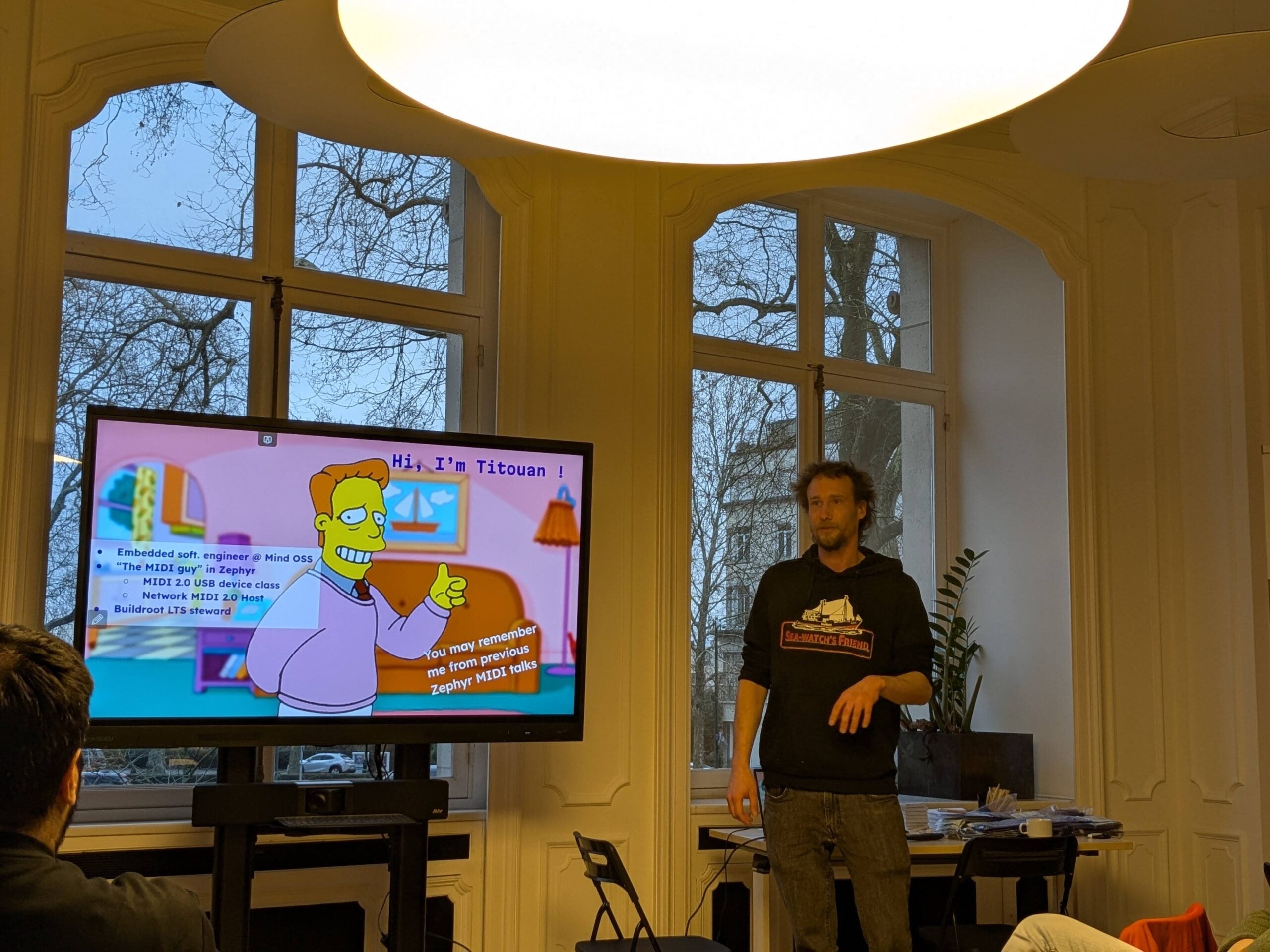
MIDI Weaver, Titouan Cristophe, Mind Software Consultancy
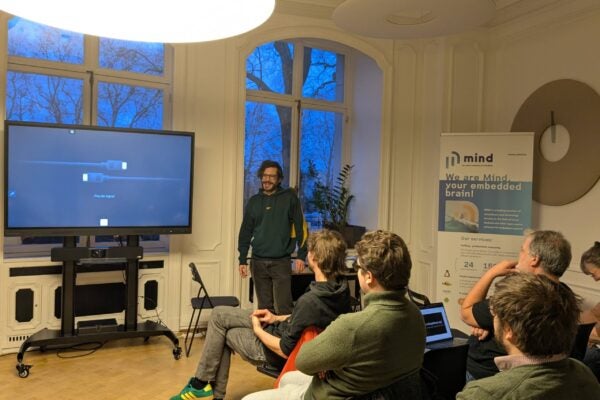
Titouan Cristophe from Mind team, introduced MIDI Weaver, a personal project bridging Network and USB MIDI 2.0 using Zephyr, continuing a conversation started at previous open source events. Slides here.
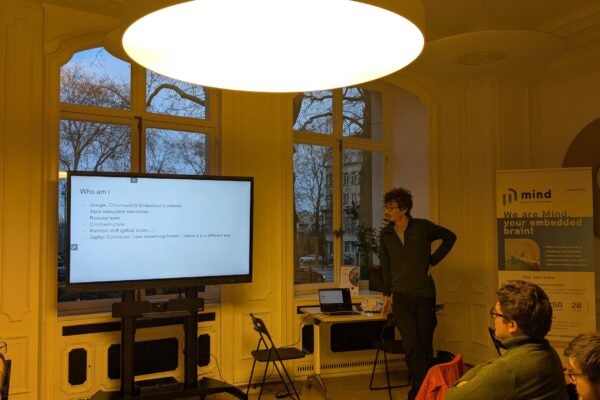
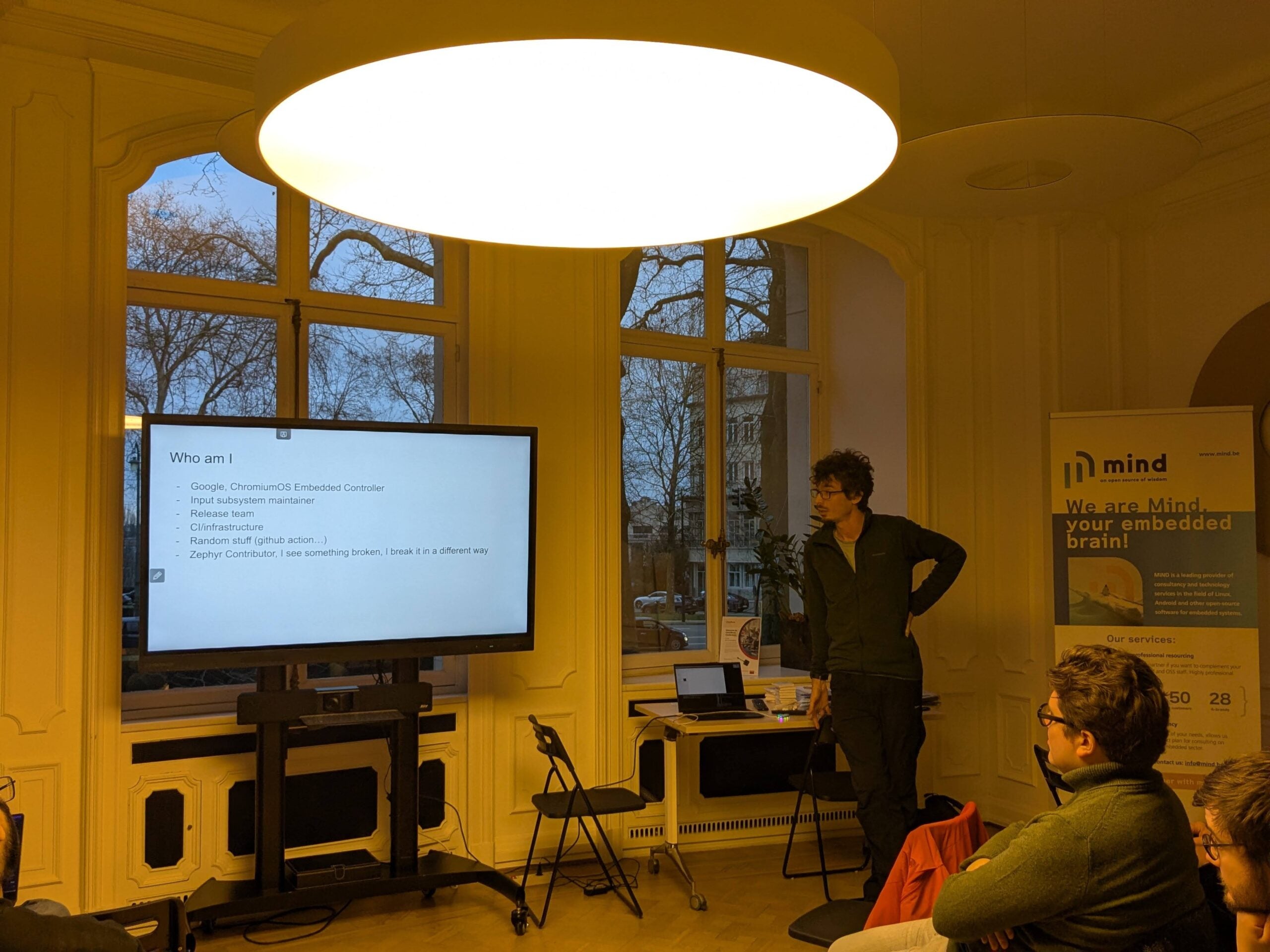
Zephyr release engineering — Fabio Baltieri, Google
Fabio Baltieri from Google wrapped up the main technical sessions with an in-depth look at Zephyr release engineering, offering valuable insight into how the project maintains quality and cadence at scale. Slides here.
Following Fabio Baltieri’s overview of the Zephyr release engineering, the agenda wrapped up with two engaging lightning talks that added an extra spark to the afternoon. Slides here
Lightning Talks:
Martino Facchin, Hardware/Firmware Manager at Arduino, shared insights from the Arduino ecosystem, highlighting how open hardware and firmware development intersect with modern embedded workflows.
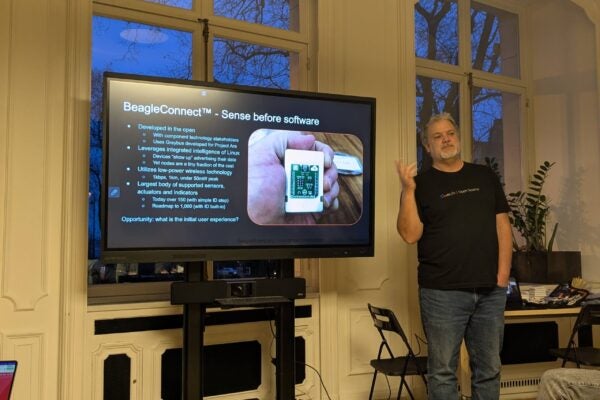
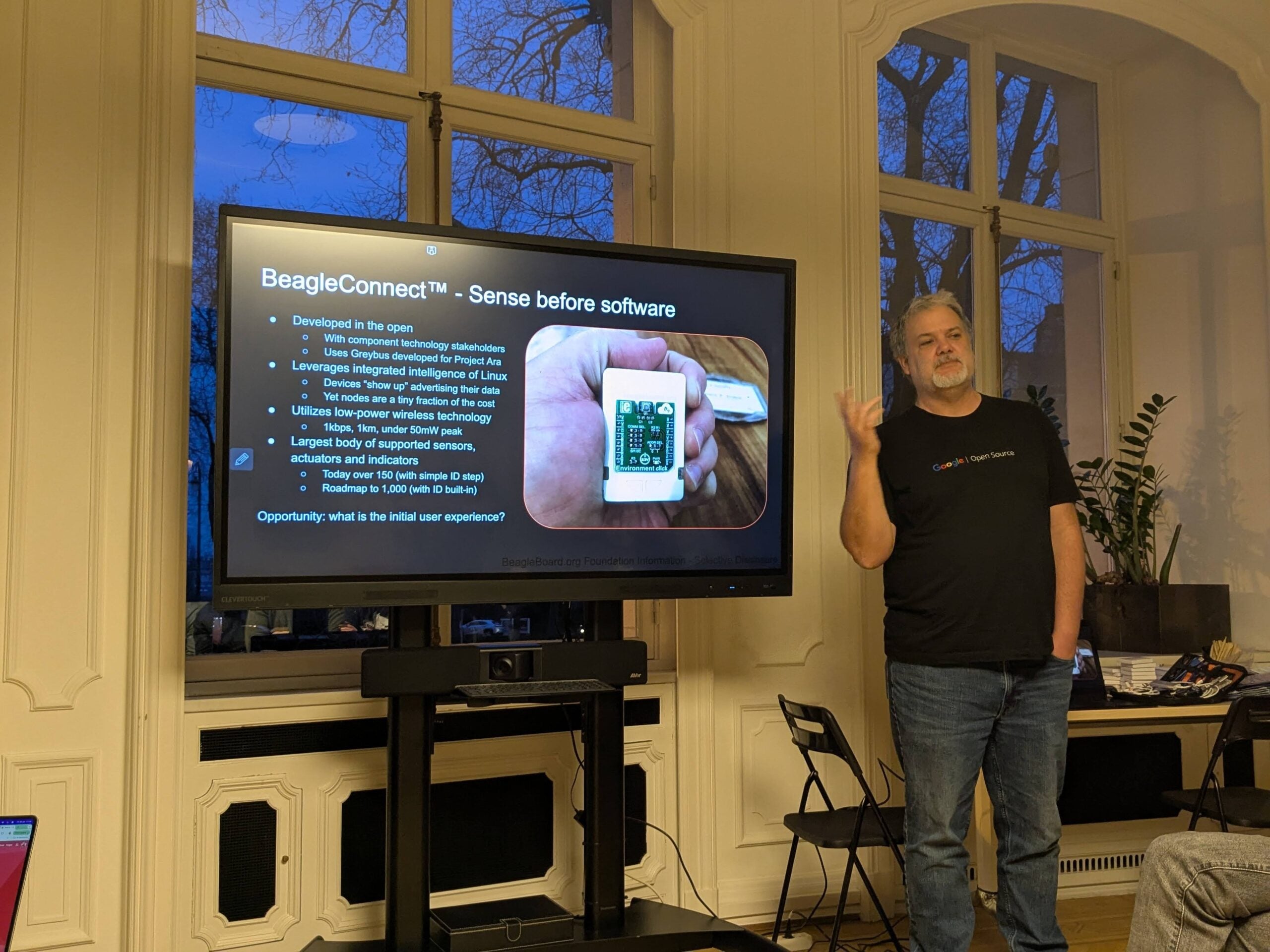
Jason Kridner, Co-founder and President of the Board at the BeagleBoard.org Foundation, followed with a community-focused lightning talk, reinforcing the importance of open hardware platforms and long-term stewardship in the embedded open source space. Slides here.
These short sessions concluded the agenda, sharing industry and community views and leading into networking discussions.
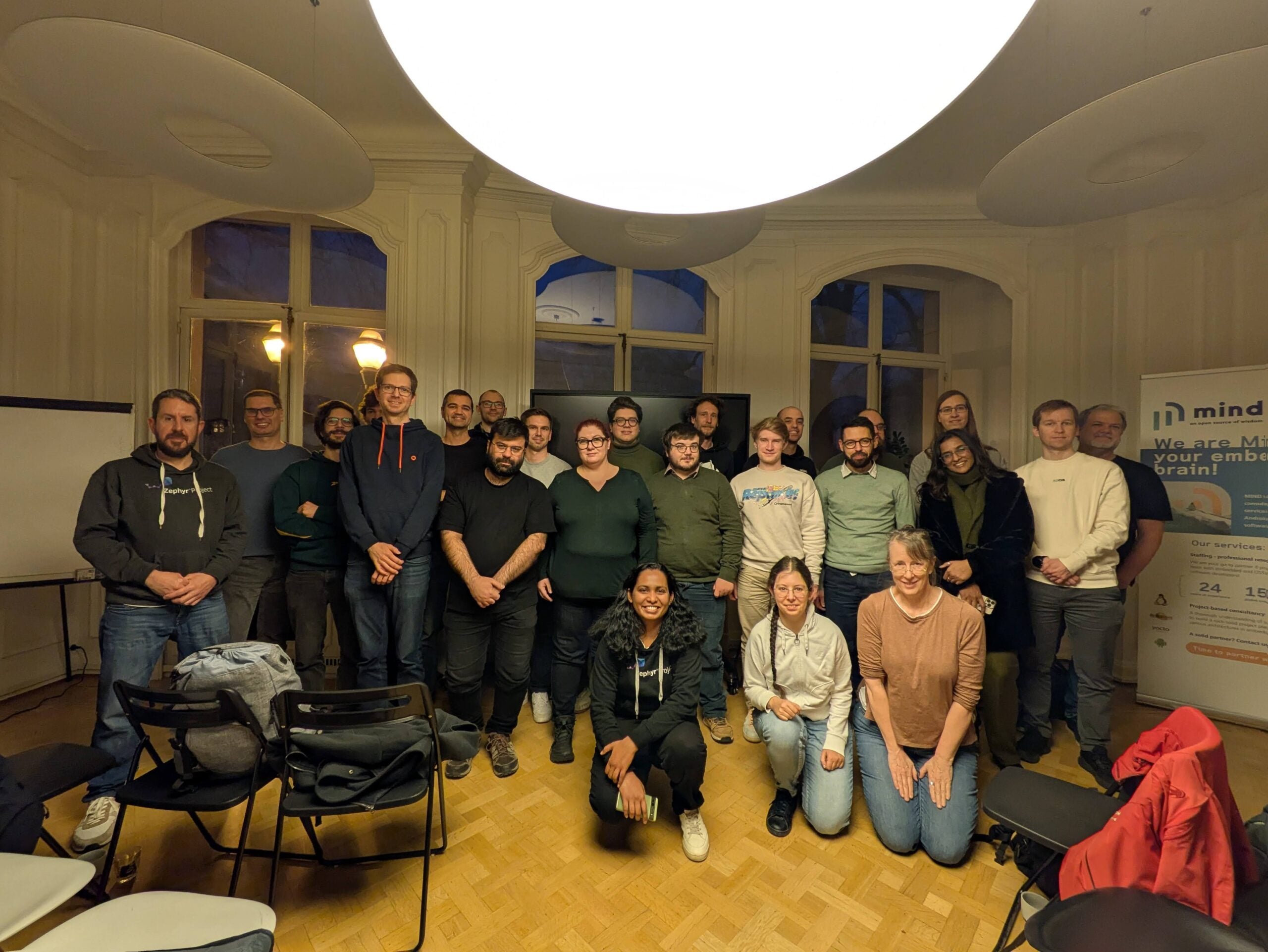
Attendees connected and shared experiences and ideas, with many continuing the conversations over dinner afterward.
Looking Ahead
As a FOSDEM Fringe event and part of EU Open Source Week, the Brussels meetup showed how open source grows through in-person connections. It also highlighted the value of the Zephyr Community Meetup Series local, community-led events supported by the Zephyr Project.
Thank you to all the speakers, sponsors, organizers, and attendees who made the event a success.

About the Community Meetups:
This meetup is part of the Zephyr Community Meetup Series, gatherings hosted by community members, with support from the Zephyr Project.
If you are excited about the Zephyr Project and want to share it with your local community, consider hosting an event in your city. Whether you are in Karlsruhe or halfway across the globe, we encourage passionate individuals to get involved. Reach out to us and explore how you can bring Zephyr to your community and make a difference in the world of IoT development.
To keep up to date about the project, subscribe to the Zephyr quarterly newsletter or connect with us on @ZephyrIoT, Zephyr Project LinkedIn or the Zephyr Discord Channel to talk with community and TSC members.