This blog was originally published on the Arm website and was written by Zineb Labrut, Software Product Owner in the Edge AI Business Unit at Arm. Zephyr RTOS gains Armv9-A…
Combining the small footprint and low power consumption of MCUs with an easy-to-use touch interface to offer a user-friendly experience is a great go-to strategy for office and household devices…
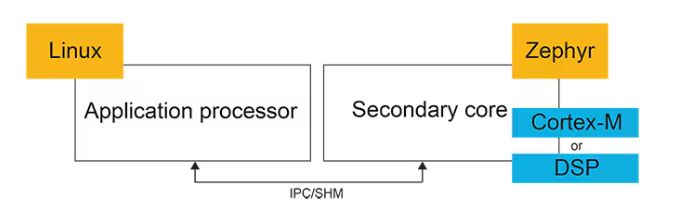
This blog was recently published on LinkedIn by Iuliana Prodan. Iuliana is a Software Engineer at NXP, working primarily on Zephyr, as well as Sound Open Firmware and Linux Audio…
This blog was originally published on the Golioth website on December 9, 2025, and was written by Mike Szczys, Senior Firmware Engineer at Golioth. Real-time operating systems (RTOS) are incredible…
This blog "Using Zephyr RTOS as a unikernel for improved application performance" was originally published by Antmicro, an ecosystem member of the Zephyr Project. Unikernels help increase the performance of…
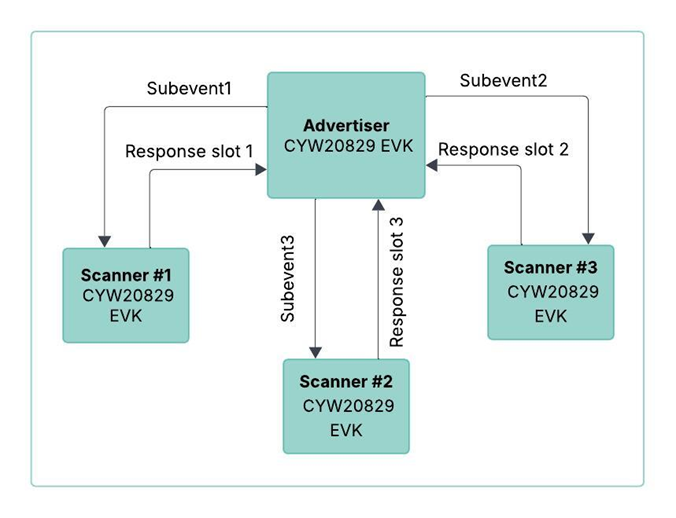
This blog was originally published by Infineon and written by Akshara Arun. We are re-running it here for the Zephyr Project audience. If you have ever wanted to see ideas…
Blog post by the Antmicro team, Zephyr ecosystem member. When developing AI applications for embedded platforms, it is crucial to properly identify execution bottlenecks which are heavily dependent on matching…
Written by Jacob Beningo, CEO at Beningo Embedded Group Most embedded developers struggle to move beyond simple examples into scalable, testable, maintainable systems. The complexity of modern workflows, device trees,…
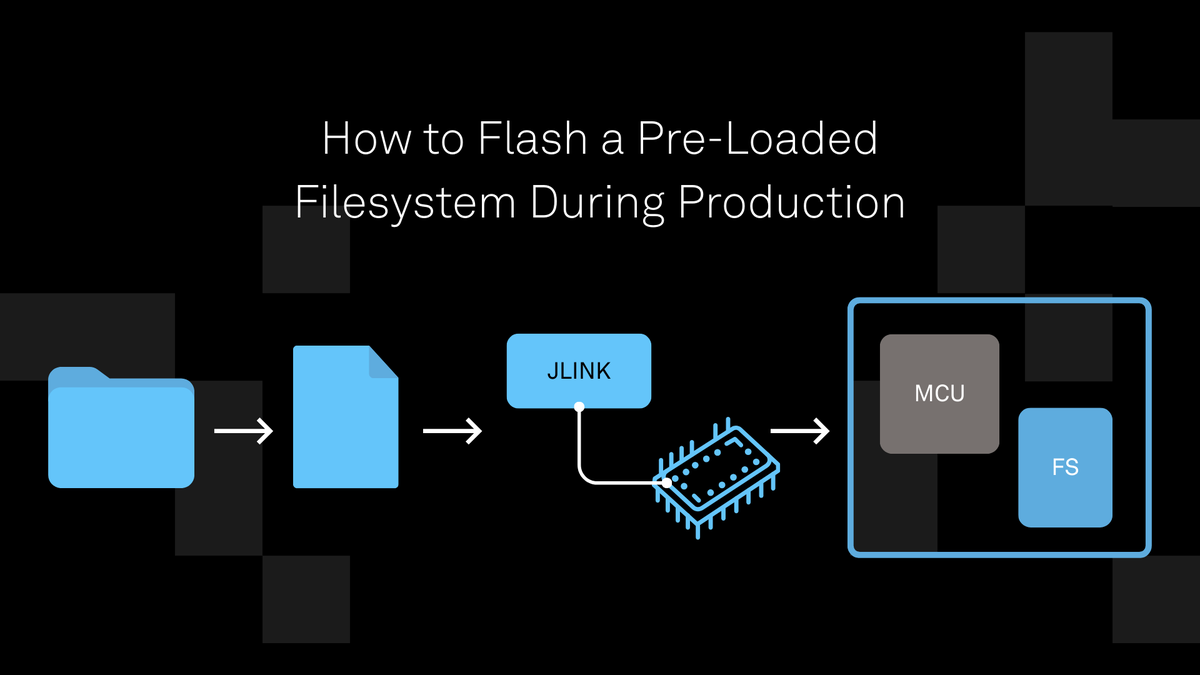
This is an abstract of the blog "How to Flash a Pre-Loaded Filesystem During Production" written by Mike Szczys from Golioth.Zephyr’s filesystem API makes it simple to read and write…
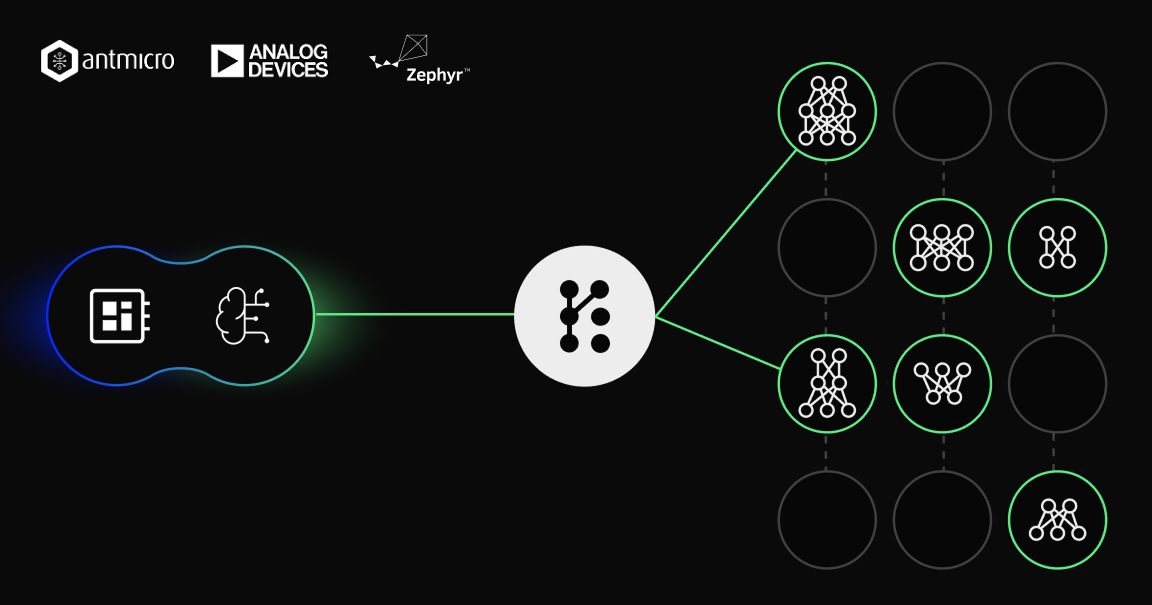
This blog post is written by the Antmicro team, an active ecosystem member of the Zephyr Project. Tailoring neural network models to fit on resource-constrained devices is a multi-criterion optimization…